
Teaching
Teaching in public, from the sources.
Most of what I make is meant to teach: a tool for reading classical texts word by word, short lessons on Instagram, essays that keep their sources, films, and seminars.
How I teach
Learning through beautyYou learn a language through a poem you love. Put the original beside a translation, try to translate it yourself, go back and forth, ask people, and stay with it until it seeps in. That is how I learned, and it is how the lessons are built.
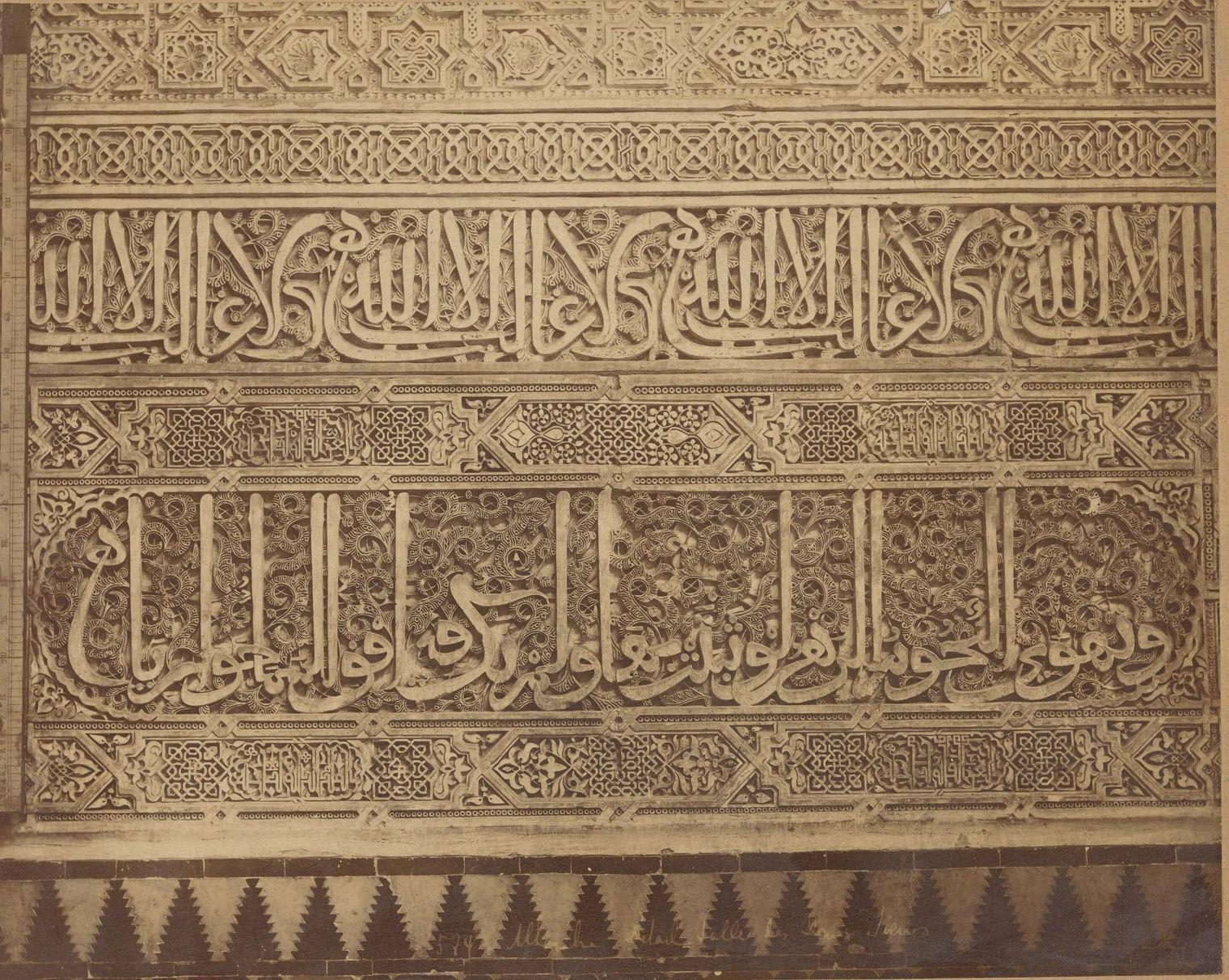
One word, in its own scriptA lesson starts from a single word or a single line in Arabic or Persian, shown as it is written, then opened: the root, where else it is used, how it has been read.
Every quote with its sourceEach post and essay keeps its sources: the edition and page, or the minute in the talk. They are collected in the compendium, so anyone can go and check.
The tools
Mashraba ReaderClassical Arabic and Persian poetry and philosophy, word by word. Each word opens three ways: its root, its use across other texts, and the readings given to it, with the original, translations and commentary side by side. mashraba.org
The compendiumThe thinkers, talks and readings behind the posts, with links timed to the minute. library.joshuabeneventi.com
Mashraba learning communityAn online community of more than 300 members reading classical texts together. I design and teach the seminars, among them a series on Plato, with guest faculty from several universities.
Lessons on Instagram
65,000 followers. About 195,000 accounts reached in the 30 days to 11 November 2026.
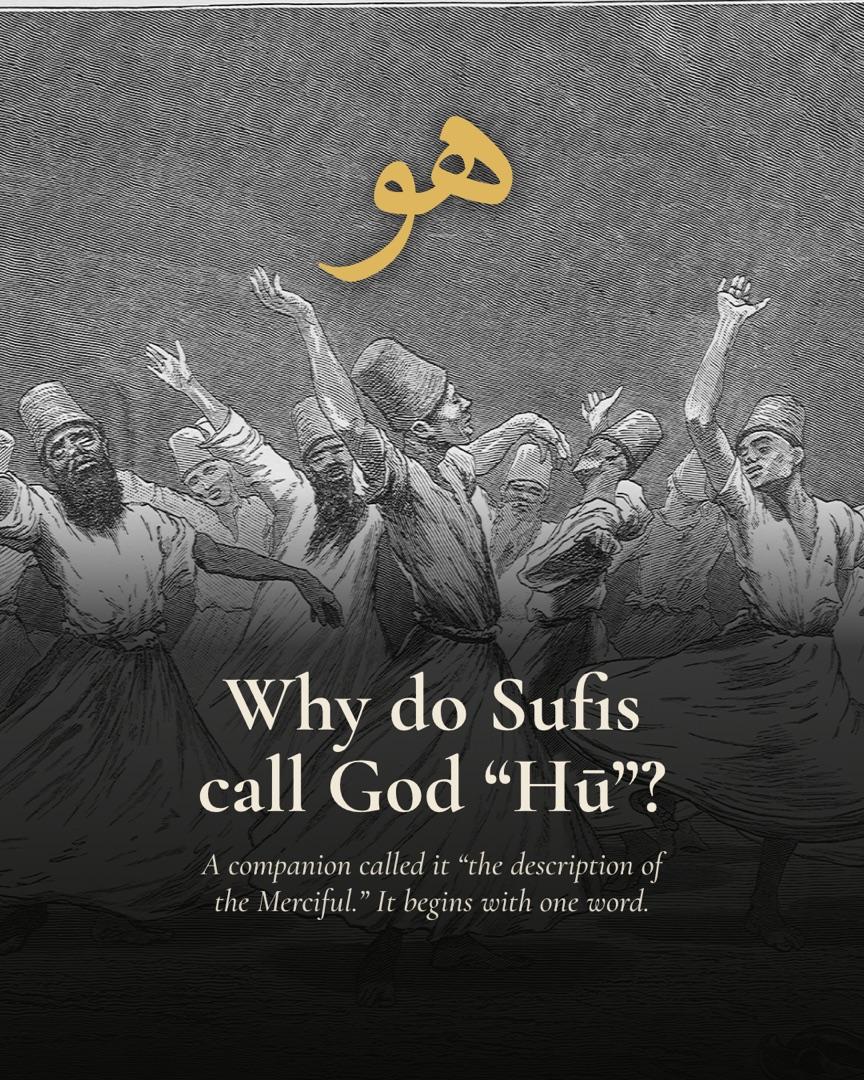
Hū: the pronoun of absenceWhy Sufis call God by a pronoun, told through one Arabic word in its own script. Reached 116,000 accounts; saved 5,300 times; shared 2,800 times. See the post · the essay: Hū: Naming God Without Describing Him
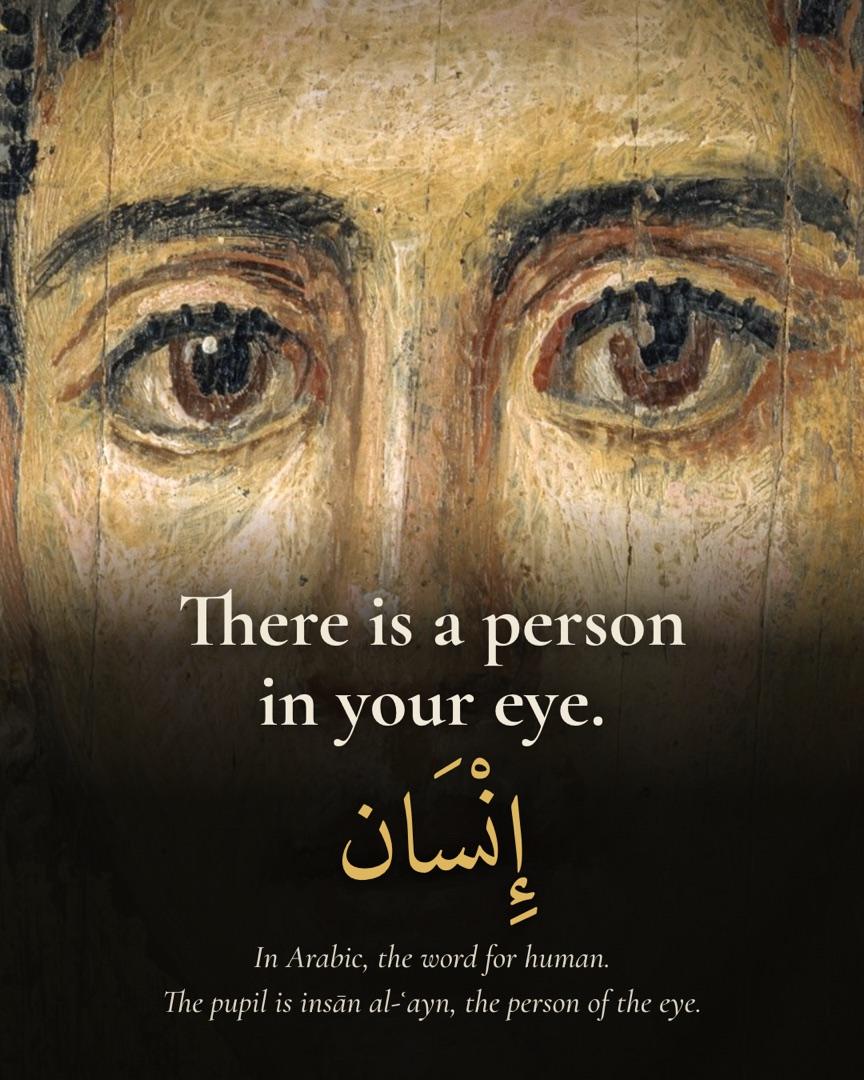
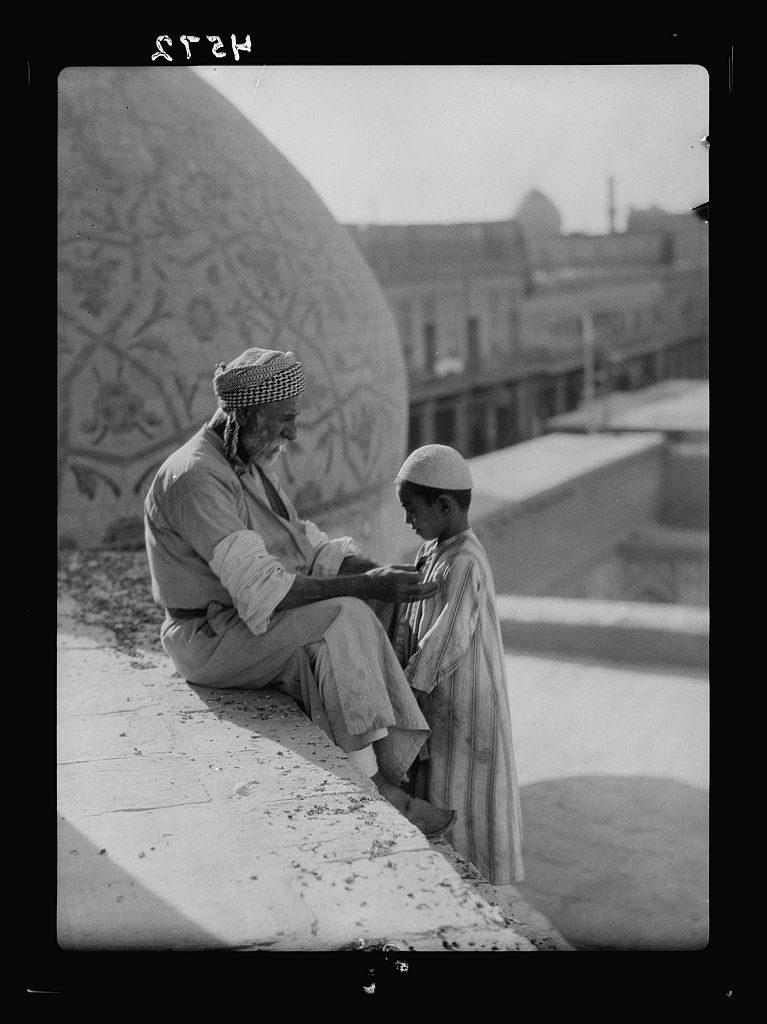
Insān al-ʿayn: the pupil of the eyeIn Arabic the pupil of the eye is called the person of the eye. A word study. Reached 45,000 accounts; saved 2,500 times; shared 1,000 times. See the post · the essay: The Optics of Wayfaring
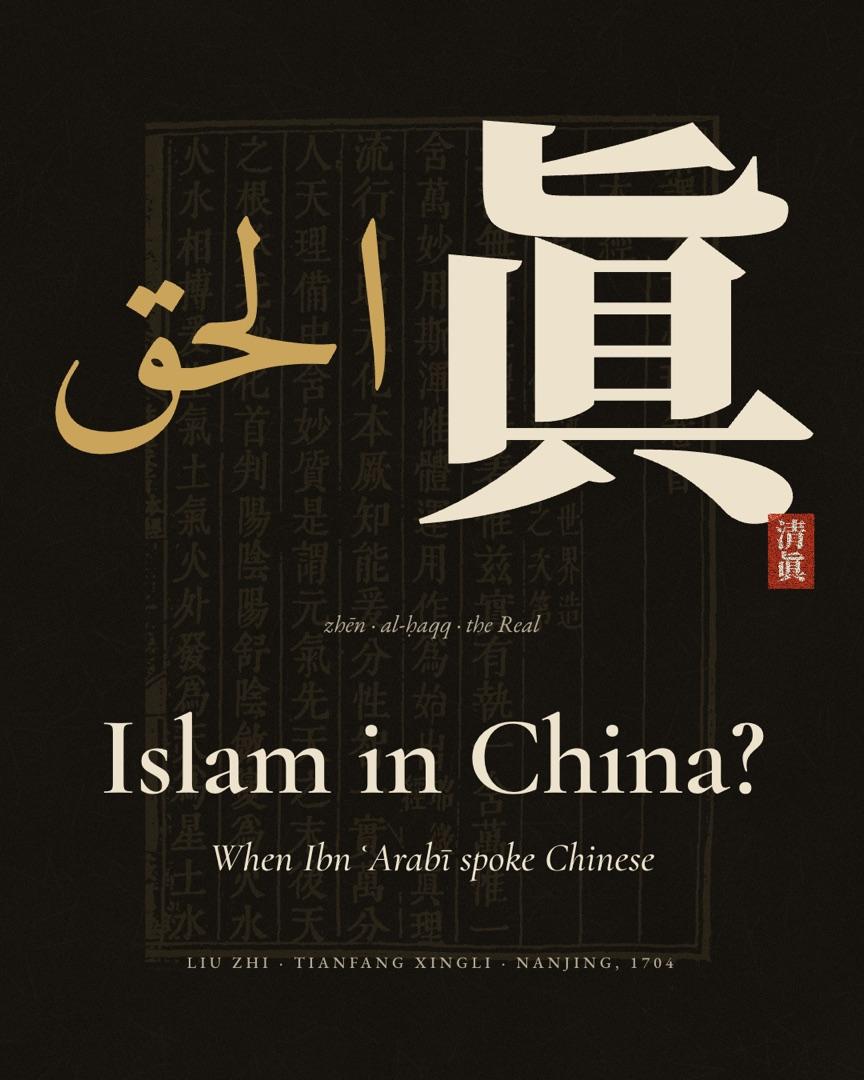
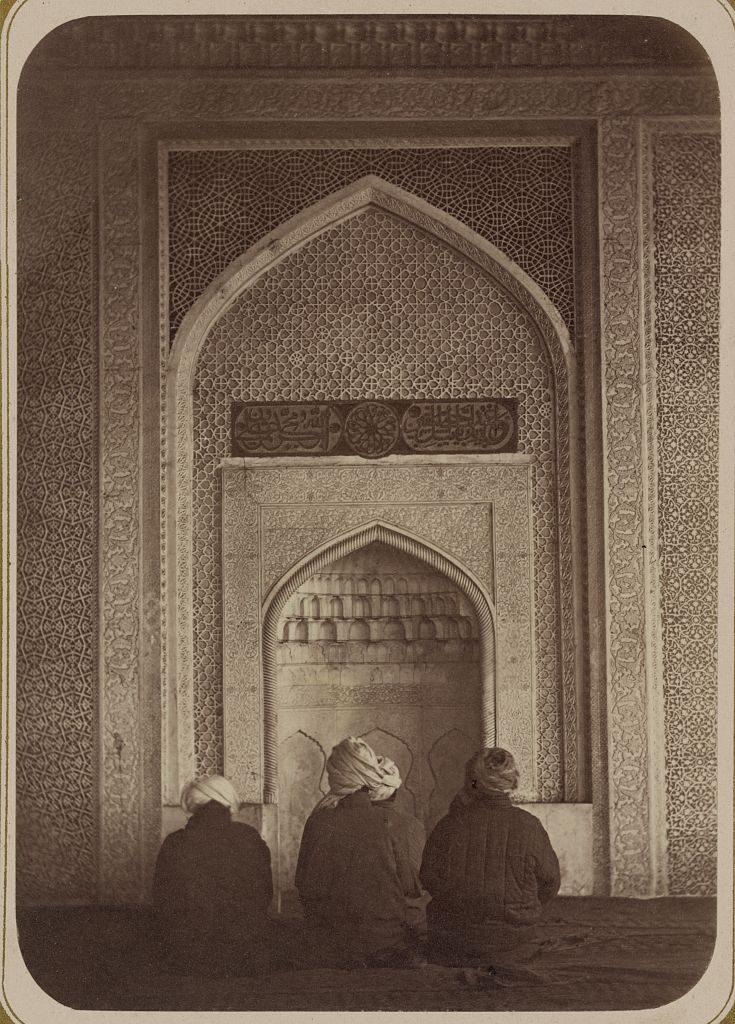
Islam in China?Liu Zhi and the scholars who wrote Islamic thought in classical Chinese. Reached 28,000 accounts; saved 1,600 times; shared 900 times. See the post · the essay: Islam in China?

Essays and films
Essays on SubstackMost lessons have a longer essay behind them, with the quotations in the original and links into the talks. joshuabeneventi.substack.com · Writing on this site
Emir ʿAbd al-Qādir, Damascus 1860The first of the narrated films. Watch on YouTube