
EudaimoniaThe Good Life
What is a good life? The oldest Western answer hides inside a word we have flattened into “happiness”: eudaimonia — a good daimon, a well-tuned spirit. Not a feeling to chase but a life lived in the right proportion, the ancient mean between too much and too little.
Ranging from Aristotle’s ethics to a full-moon night of strangers’ hospitality in the Azores, from the tyranny of a life spent killing time to the quiet economics of needing little, Eudaimonia asks what it would take to live well now — competent in the system, free of its anxieties, awake to beauty and to other people.
The good life is an activity of tuning.
Not a possession, a feeling, or a formula to optimise toward. Living competently within one’s world while needing little, and being free to attend to beauty, to other people, and to time. The West inherited Rome’s disposition — acquisition, control, the mastery of time — rather than Greece’s: the mean, scholē, the well-tuned soul. So it mistranslated flourishing into happiness and happiness into accumulation.
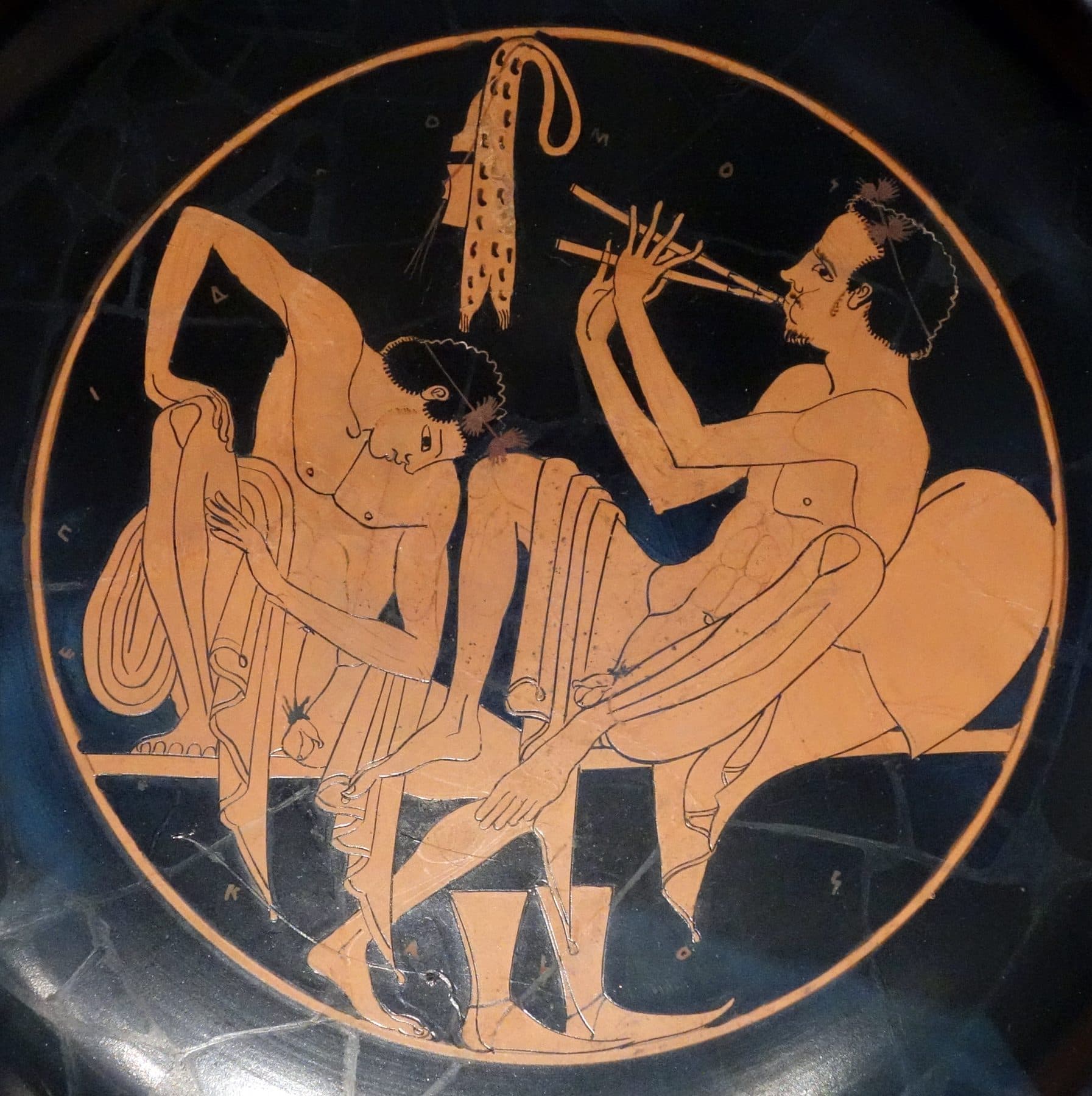
Aristotle, the ancient arts of living, and a chorus from elsewhere.
Aristotle’s mean, relative to us; Epicurus on the desires that can never be satisfied; Rosa on why making the world controllable kills resonance; Durkheim on collective effervescence; the wheelwright’s competence without capture; and the world’s other good-life cosmovisions — buen vivir, ubuntu, ikigai — held as a chorus with their costs, never as a menu. The science corroborates; it does not ground.
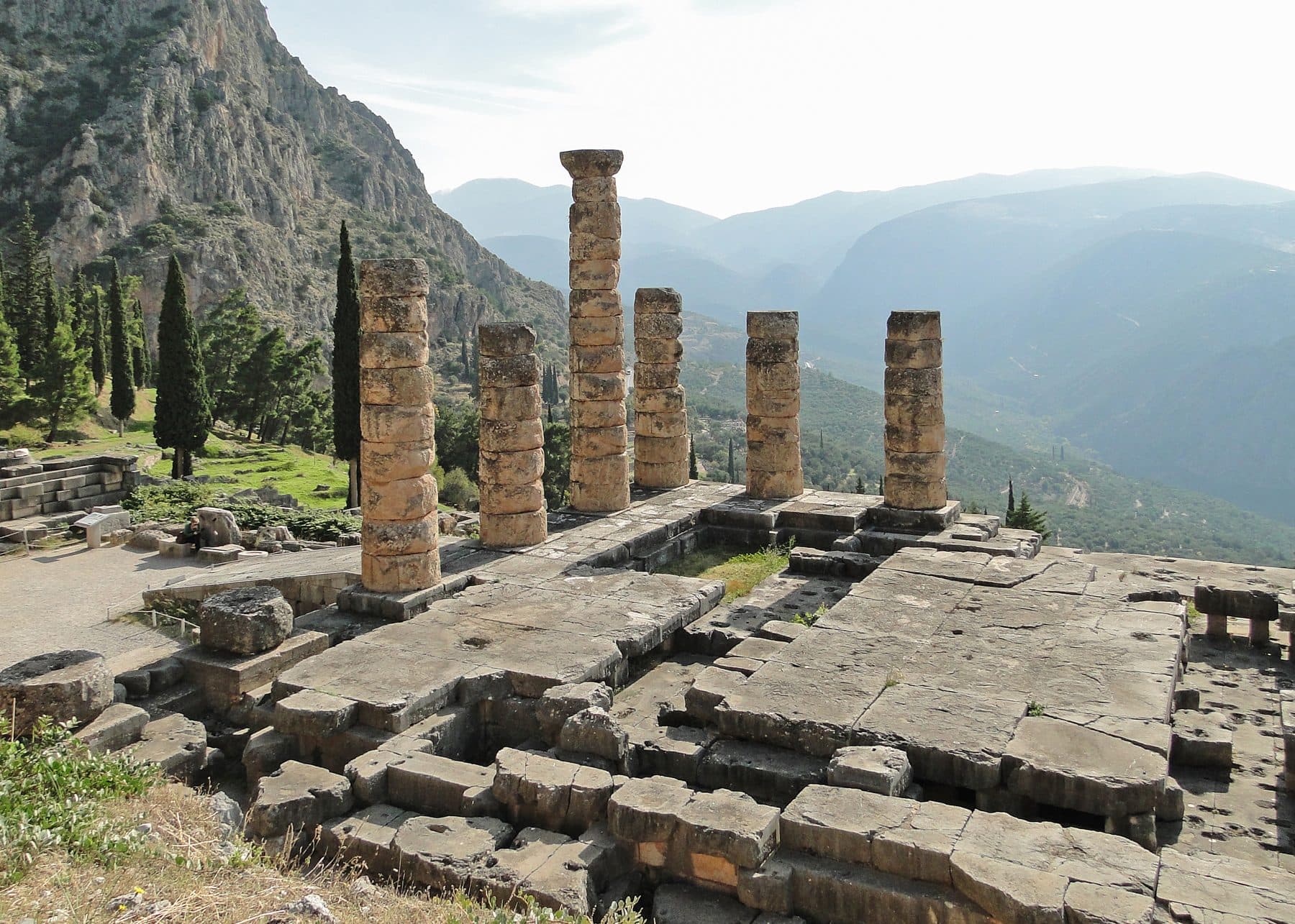
A lens, not a formula.
Every time a state or a market systematised a good-life concept, it flattened or weaponised it. The book must not commit the sin it names. It also refuses the golden age, the innocent communal joy, and the pretence that the mean is equally available to everyone — Aristotle was honest that flourishing needs some external goods, and so is this book.
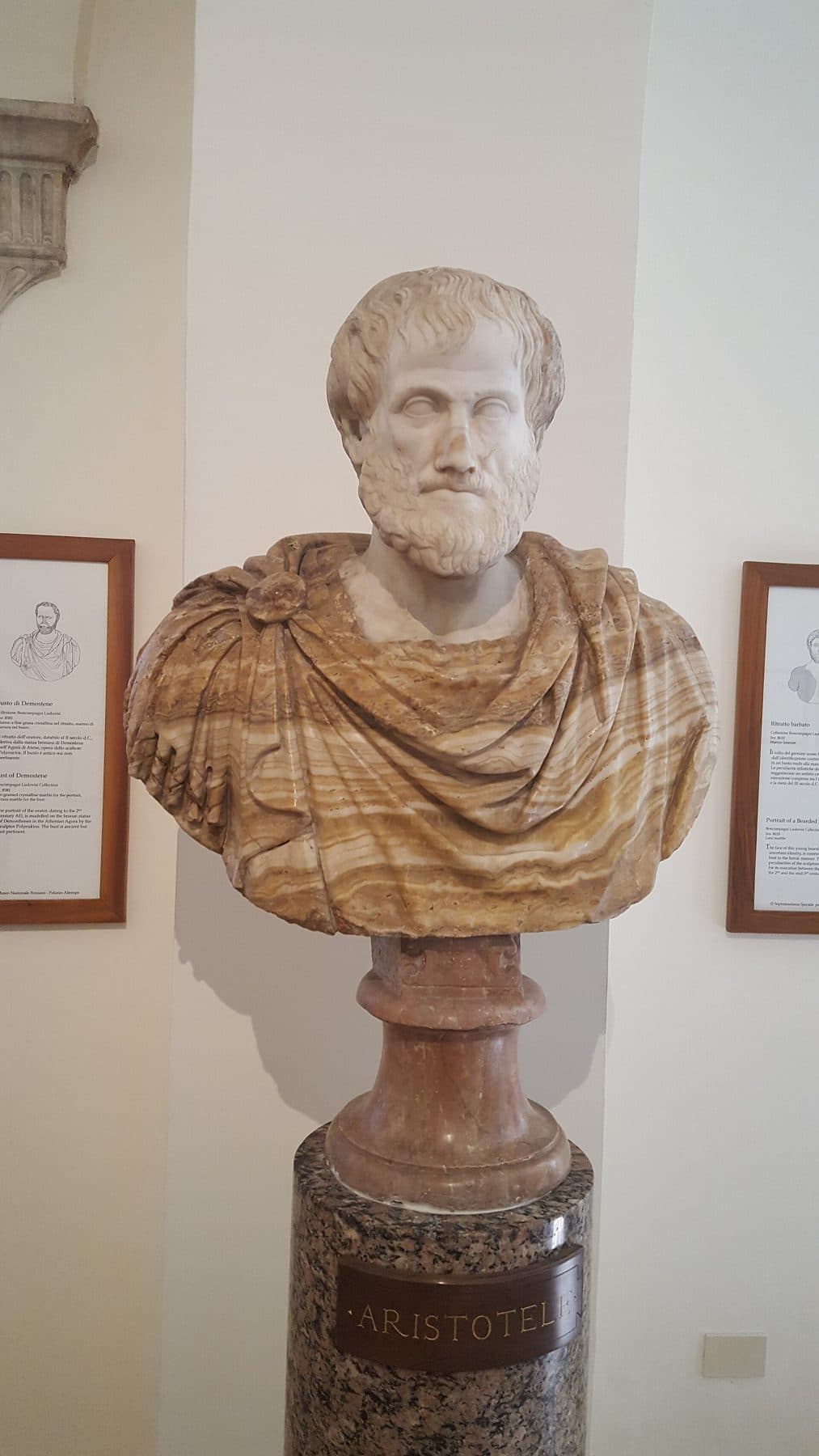
A prologue, six movements, a coda
- Prologue — The Question Worth Asking
- I Eudaimonia Is a Verb; the Well-Tuned Life · II The Economics of Enough · III The Assault on Time · IV Joy Is Communal (the Azores night) · V Craft, Gratitude, and the Pathogen of Control · VI The Good Life Elsewhere (and Why It Can't Be Sold)
- Coda — A Lens, Not a Formula
The reading, and the rules the book holds.
- The good life is a lens, not a formula.
- The science corroborates; it does not ground.
- Needing little is not asceticism.
- Not a privilege artifact: the book addresses the person with enough, and says so.
The mean, well tuned
- Aristotle, Nicomachean Ethics — eudaimonia as energeia; the mean; phronēsis.
- Plato, Republic 443d–e — the just soul as a well-tuned instrument. Not the Phaedo’s “soul is an attunement,” which Socrates refutes; the verb is kept.
- De Nicolás and H. I. Marrou — a paideia that begins with music.
- Epicurus — natural and necessary desires against the empty ones; the engine behind needing little.
The modern maladies
- Hartmut Rosa, The Uncontrollability of the World; Resonance — control as pathogen.
- Josef Pieper, Leisure, the Basis of Culture; Byung-Chul Han, The Agony of Eros, The Burnout Society.
Joy is communal
- Durkheim on effervescence; Turner on communitas; Julian Pitt-Rivers on hospitality, hostis and hospes.
- Dreyfus & Kelly, All Things Shining; self-determination theory (Deci & Ryan).
Elsewhere — contested, not utopian
- Buen vivir, ubuntu, ikigai — each noted as instrumentalised; Everett on the Pirahã as honest ballast, not a utopia.
Not yet.
A passage will appear here when the book is closer to print. Until then, essays and notes surface in the Library.
In draft.
Spec settled September 2026; movements drafted in sequence. Field scenes and sources being pinned.
The mean, found freshly by each person in their own key, is what the coaching arc is for.