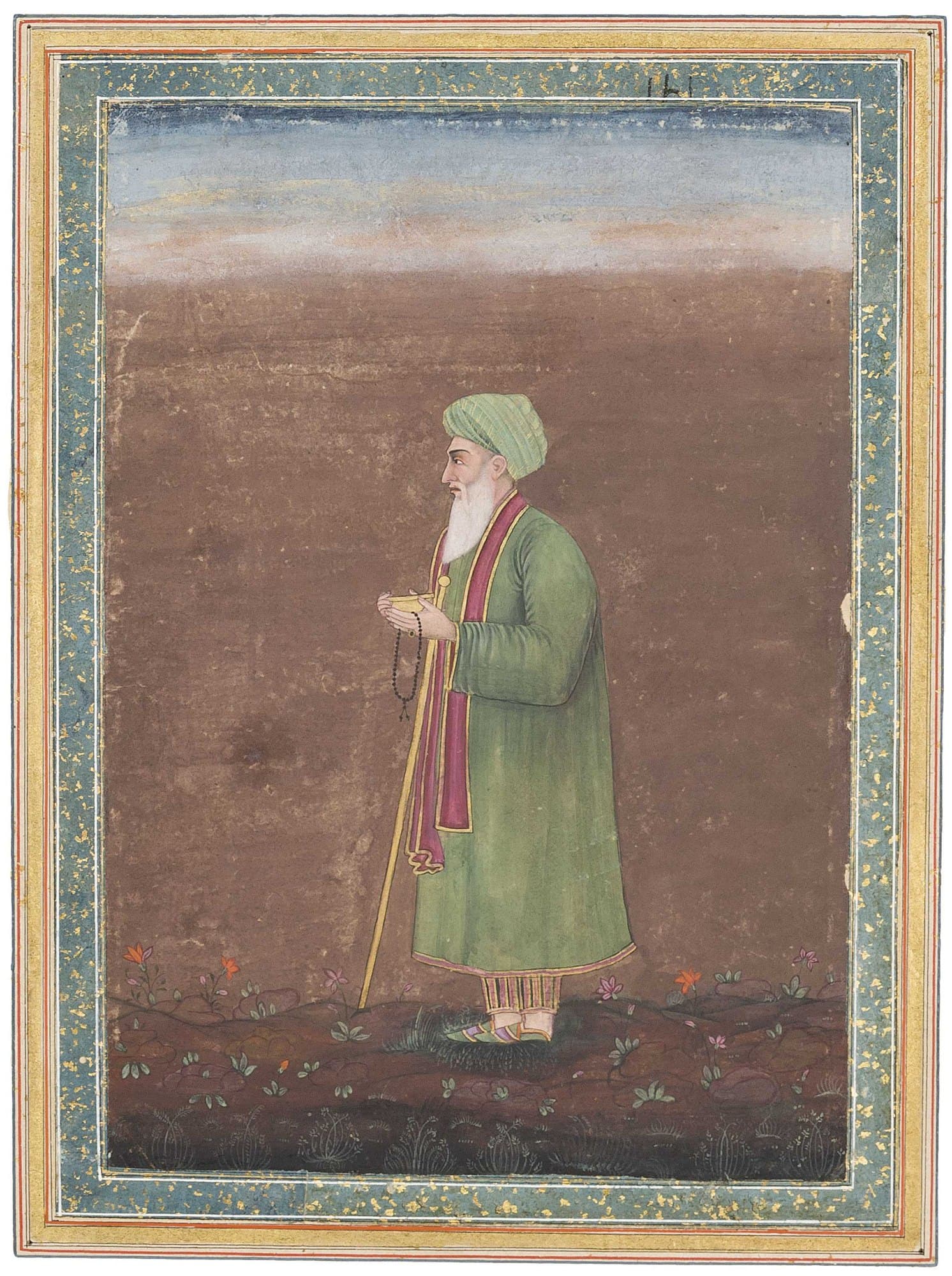
The Green MantlePlato and Islam
Long after the Latin West lost its Greek, the Platonic tradition found a second home in Islam — carried by philosophers and mystics who read Plato not as a dead pagan but as a fellow traveler toward the divine. But the two civilizations did different things with what they inherited. The West turned Platonism into a subject: something read, taught, and argued about. The Islamic world kept it as a practice: something undergone, a discipline of the soul with the ascent still in it.
The Green Mantle traces that hidden lineage — the imaginal world of the Sufis and the Persian sages, the marriage of Athens and the Qur’an, the mundus imaginalis Henry Corbin spent a life recovering — and makes the case that the standard history has the bridge backwards.
Islam preserved Platonism as a practice; the West reduced it to a discourse.
The argument in one line. What arrived in Baghdad and Cordoba was not a body of texts to be commented on but a way of turning the soul, and the philosophers and the Sufis who received it recognised it as such — honoured it, criticised it, and made something that was neither Greek nor simply Islamic.
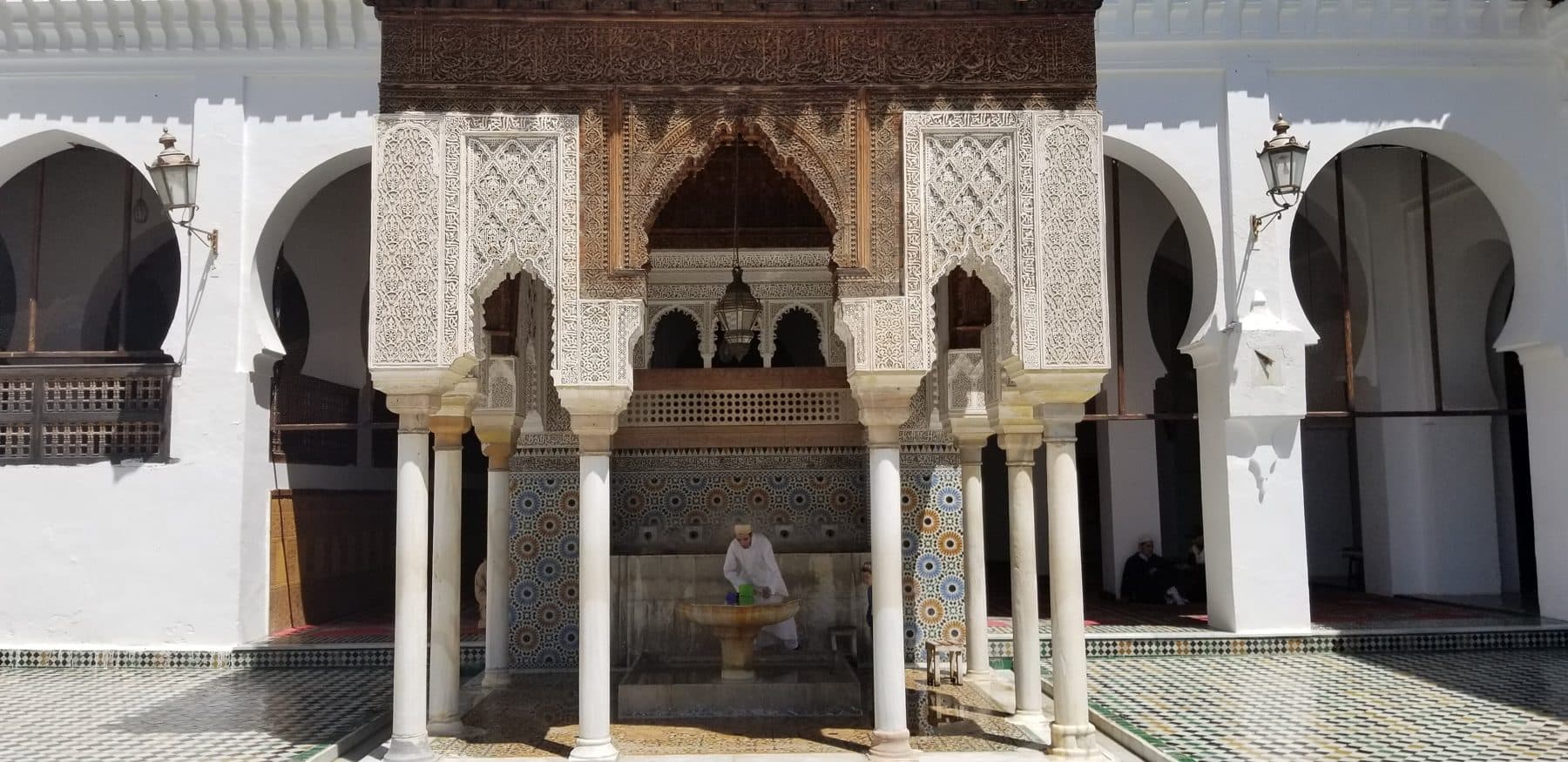
What arrived, what converged, what emerged.
Six movements: the influence and how it travelled; the points of convergence that made it feel like recognition; what the Islamic scholars said, in honour and in critique; what emerged; the self-attesting phenomenon — the convergence of practice — and the Plato we never met. Then a conclusion on the Plato who survives, and a coda on the ūlū baqiyya, the people of the remnant.
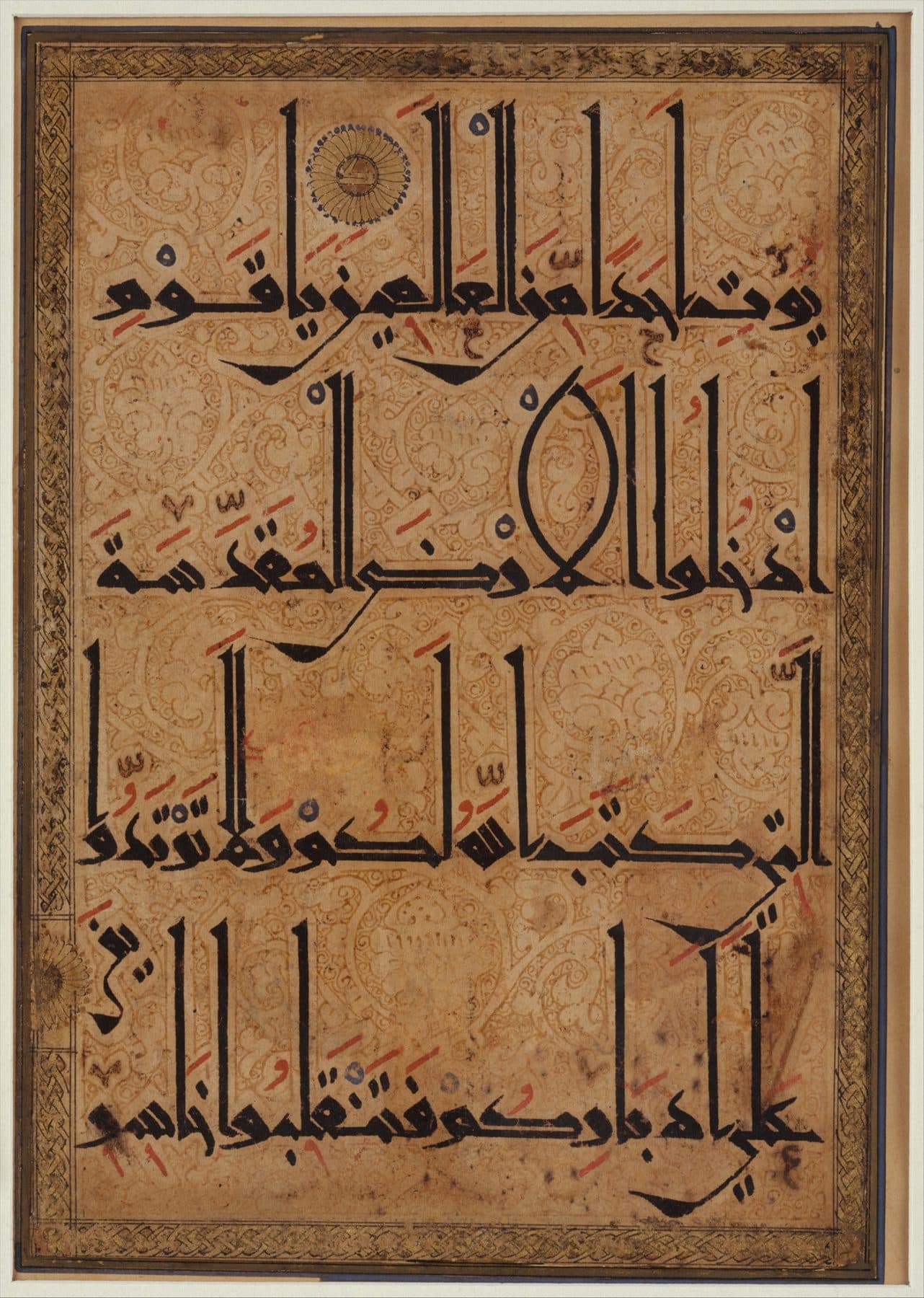
The Green One.
al-Khiḏr, the green-mantled guide who appears at the meeting of the two seas and teaches what cannot be taught by the book — the tradition’s own figure for knowledge that is undergone rather than read. He is the book’s emblem because he is what the West’s Platonism lost: the teacher who is also a threshold.
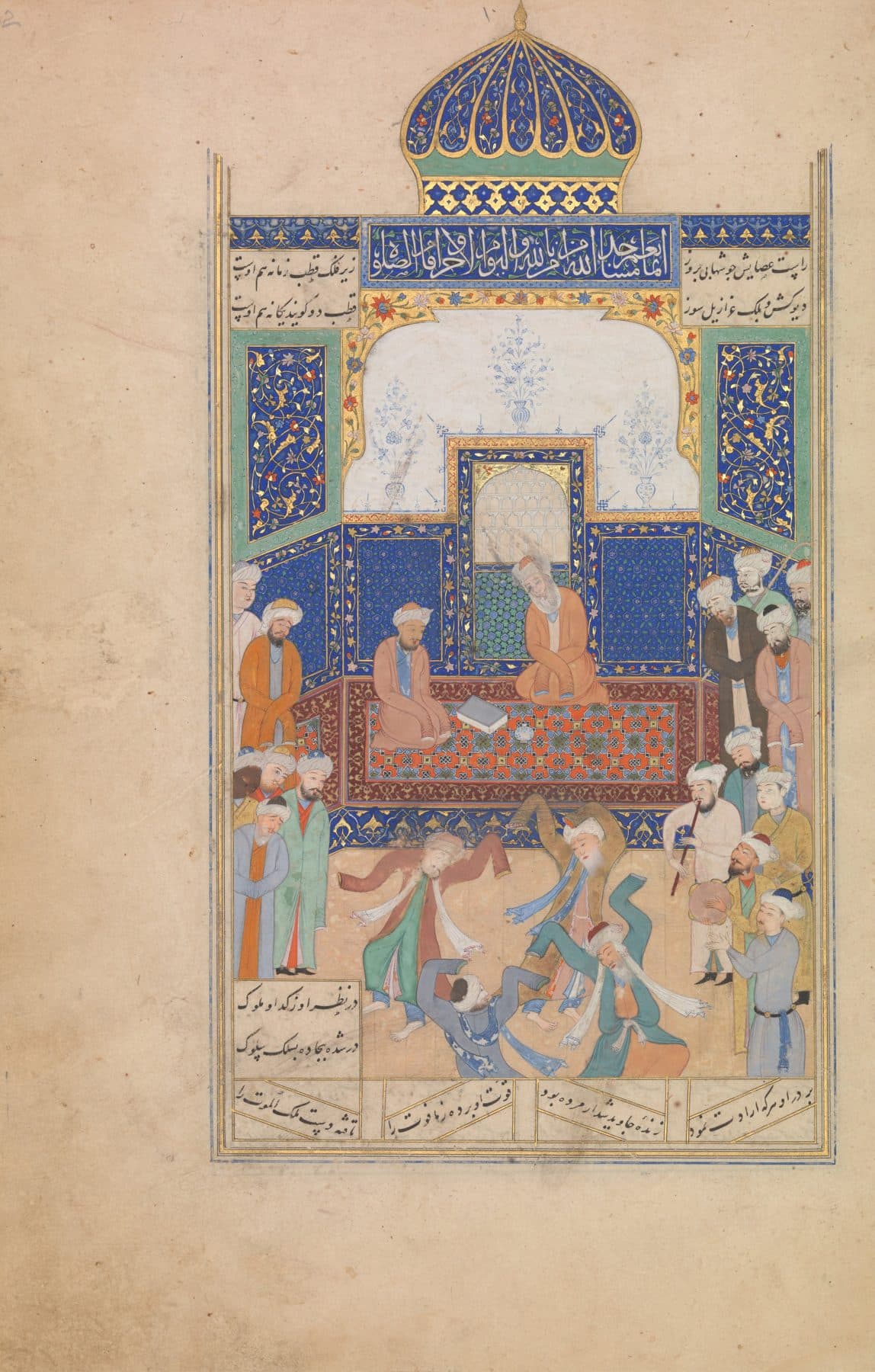
Contents
- Preface: Why This Book · Introduction: The Survival of Philosophy
- I The Influence: What Arrived and How · II Points of Convergence: Why It Felt Like Recognition · III What Islamic Scholars Said: Honor and Critique · IV What Emerged: Neither Greek Nor Simply Islamic · V The Self-Attesting Phenomenon: Practice Convergence · VI The Plato We Never Met
- Conclusion: The Plato Who Survives · Epilogue: What This Means · Coda: Ūlū Baqiyya
- Appendices: Further Horizons · Contemporary Resonances · Tawhīdic Henology and the Preservation of Theophanic Perception
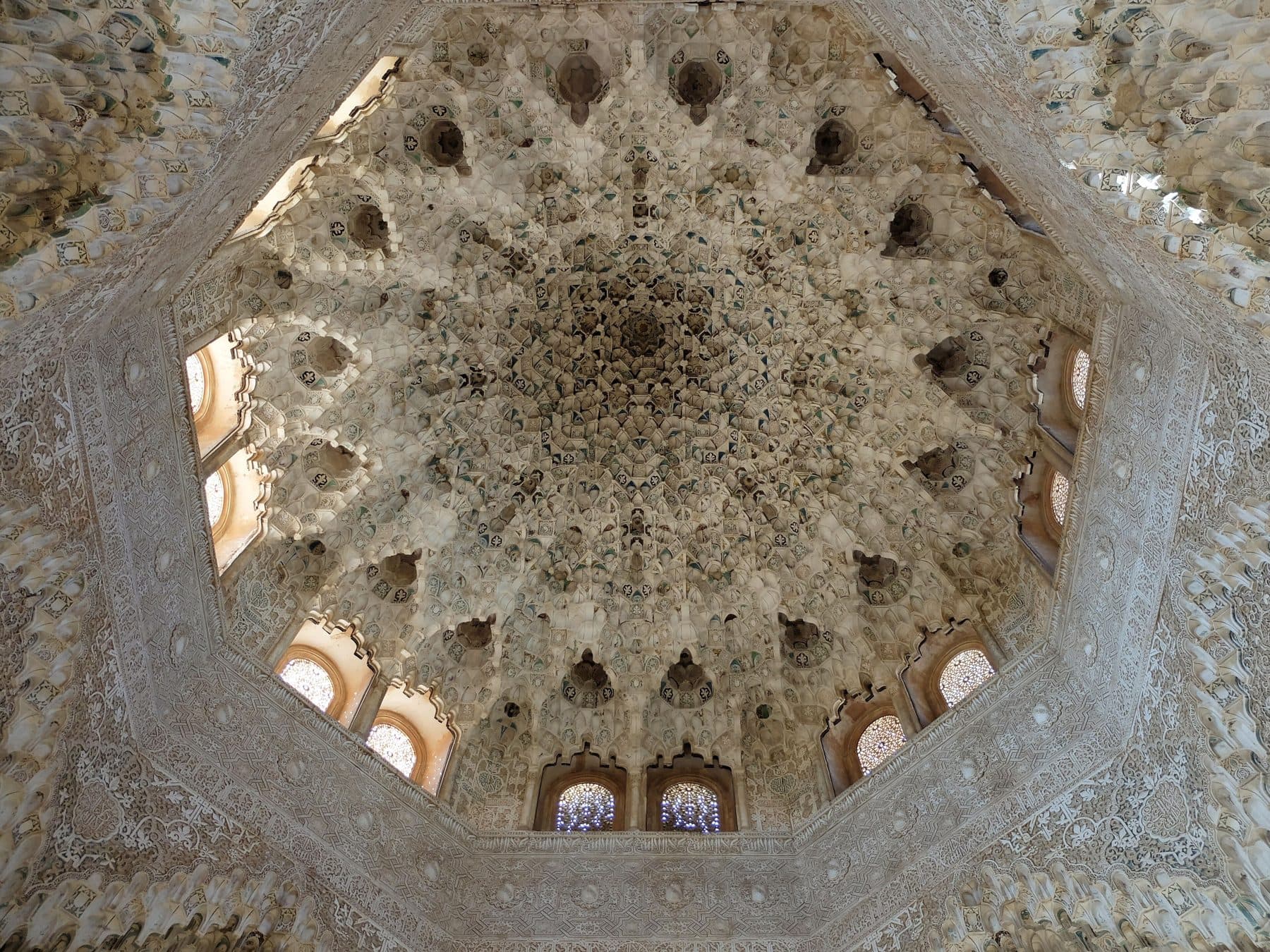
The reading, and the rules the book holds.
- Practice before discourse: what arrived was a way of turning the soul.
- Convergence of function, not sameness of essence.
- Attribute, never assert.
The imaginal keystone
- Henry Corbin — Alone with the Alone, Spiritual Body and Celestial Earth, Avicenna and the Visionary Recital, and the essay “Mundus Imaginalis.” The ʿālam al-mithāl; taʾwīl.
The Islamic Platonic current
- Ibn ʿArabī (Fuṣūṣ al-Ḥikam, Tarjumān al-Ashwāq); Suhrawardī; Avicenna’s visionary recitals — through William Chittick, The Sufi Path of Knowledge, and Seyyed Hossein Nasr.
- The Greek headwaters — Plato, Plotinus, Proclus, Iamblichus — read through Gregory Shaw, Theurgy and the Soul: the soul as the mean; theurgy as the technology of the middle.
Category and method
- Wouter Hanegraaff, Esotericism and the Academy — the constructed waste-basket of the rejected.
- Russian Sophiology — Bulgakov, Soloviev — Sophia as a Christian parallel to the imaginal.
- Deleuze & Guattari, rhizome and assemblage — load-bearing here, kept distinct from Born Again’s use.
Not yet.
A passage will appear here when the book is closer to print. Until then, essays and notes surface in the Library.
Manuscript in revision.
Version 24, roughly 192,000 words with 845 footnotes. In research-audit and refinement; the longest and oldest of the six.
The Library’s longer-term project on Plato and Islamic philosophy is this book’s workshop; essays surface there first.